
- VeeCard
- Price
- Blog
- F&Q
Why Loyalty Programs Work Better Than Coupons
You offer a discount. Customers come in. The promotion ends—and many never return. Sound familiar?
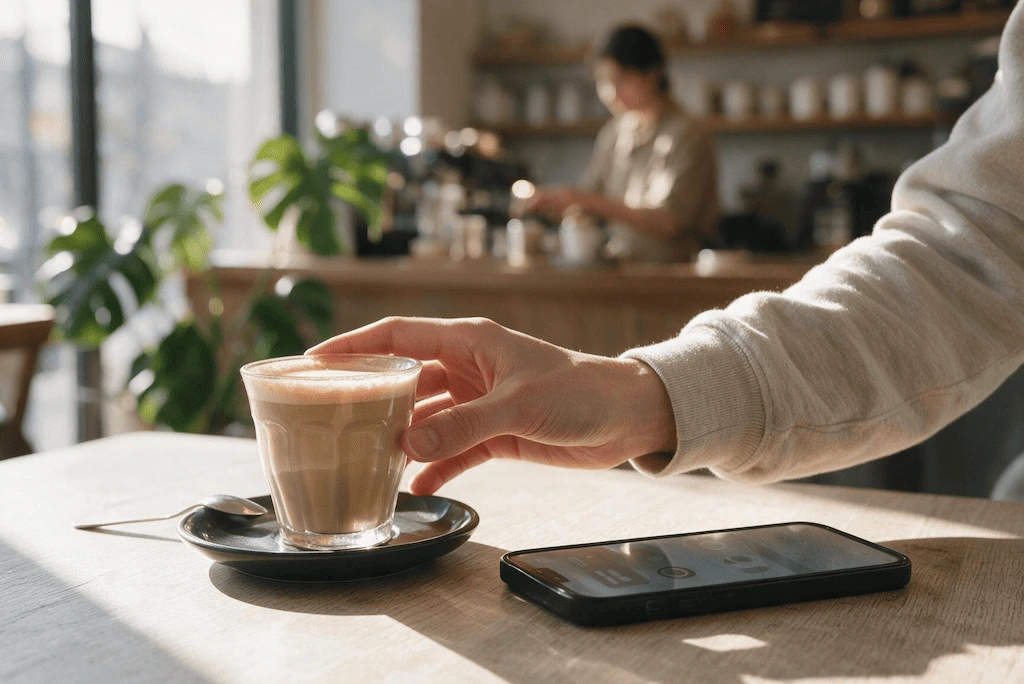
For small business owners, attracting customers is only half the battle. The real challenge is giving them a reason to come back without constantly cutting prices. After all, if customers return only when there's a discount, are you building loyalty—or simply training them to wait for the next deal?
Coupons can generate quick sales, but they don't always create lasting relationships. A well-designed loyalty program takes a different approach: it rewards customers for coming back, makes repeat visits more rewarding, and gives them a reason to choose your business again.
Let's explore why loyalty programs can be a more sustainable way to grow your business—and how you can make them work for you.
1. Coupons vs. Loyalty Programs: What's the Difference?
Coupons and loyalty programs both encourage customers to buy, but they work in different ways.
A coupon offers an immediate benefit. Customers save money on a purchase, making it useful for attracting new customers or promoting a special offer.
A loyalty program rewards customers over time. They earn stamps, points, or other benefits as they continue purchasing from a business.
Consider a coffee shop. One promotion offers 10% off today's coffee. Another gives customers one stamp for each purchase and a free coffee after five stamps.
The first offer encourages a purchase today. The second gives customers a reason to return several times.
Neither approach is inherently wrong. The difference is that coupons often focus on individual transactions, while loyalty programs are designed to encourage ongoing customer relationships.
2. Five Reasons Loyalty Programs Can Work Better
2.1. They Encourage Repeat Visits
A coupon may bring customers through the door once, but it doesn't necessarily give them a reason to return.
Loyalty programs create a continuing incentive. When customers know their next visit brings them closer to a reward, they have an additional reason to choose the same business again.
For example, a nail salon could offer a complimentary nail-art upgrade after five qualifying visits. Instead of relying on another discount to attract the customer, the salon rewards them for coming back.
Over time, these repeated visits can become part of a customer's regular routine.
2.2. They Make Customers Feel Appreciated
Customers don't always choose a business based on price alone. Service quality, convenience, familiarity, and how they are treated also matter.
A loyalty program provides a simple way to recognize returning customers. Earning a reward shows that their continued support has value to the business.
For a local café, a free coffee after several purchases is a small gesture that can make regular customers feel appreciated.
The reward itself matters, but so does the experience of being recognized as a valued customer.
2.3. They Reduce Dependence on Discounts
Frequent discounts can put pressure on profit margins. They may also encourage customers to delay purchases until another promotion becomes available.
Loyalty programs offer more flexibility. Businesses can reward customers with free products, complimentary services, upgrades, or other benefits rather than discounting every transaction.
For example, a beauty salon might offer a complimentary treatment upgrade after several appointments instead of repeatedly reducing its service prices.
The goal is not to eliminate discounts altogether. It is to give customers compelling reasons to return without making lower prices the main attraction.
2.4. They Give Customers a Goal to Work Toward
People often enjoy making progress toward a clear, achievable goal. Loyalty programs use this principle by showing customers how close they are to their next reward.
A stamp card makes that progress easy to understand: every qualifying visit brings the customer one step closer to a free product or service.
However, the reward must be realistic and worthwhile. If customers have to make too many purchases before receiving anything valuable, they may lose interest.
A simple program with an attractive, achievable reward is often a better starting point than a complicated system with numerous rules.
2.5. They Support Long-Term Business Growth
Returning customers give businesses more opportunities to generate revenue and build stronger relationships.
Rather than measuring success only by the number of coupons redeemed, businesses can monitor repeat visits, reward redemption, and average spending to understand whether customers are coming back.
These insights can help business owners improve their rewards and make more informed marketing decisions.
A loyalty program does not guarantee repeat business, but when the rewards are relevant and the customer experience is positive, it can become a useful part of a long-term retention strategy.
3. Should You Stop Using Coupons?
Not at all. Coupons still have an important role in small business marketing.
They can help introduce a new business to potential customers, promote seasonal offers, encourage first-time purchases, or attract customers during quieter periods.
The key is to match the tool to the goal.
If you want to encourage someone to try your café for the first time, a welcome offer may be effective. If you want that customer to return regularly, a loyalty program can provide an ongoing incentive.
You can even combine the two approaches: use a first-visit coupon to attract new customers, then invite them to join your loyalty program to earn rewards on future purchases.
This way, you can use promotions to generate initial interest while building a strategy for encouraging repeat visits.
4. How to Create a Loyalty Program That Works
You don't need a complicated rewards system to get started. Focus on five practical principles.
Set a clear goal. Decide what you want to achieve, such as encouraging repeat visits, increasing rebookings, or rewarding regular purchases.
Choose a reward customers value. A coffee shop might offer a free drink, while a nail salon could provide complimentary nail art or a service upgrade.
Make the rules simple. Customers should immediately understand how to earn rewards and when they can redeem them.
Make participation convenient. If joining or using the program takes too much effort, customers may not bother. Digital loyalty cards can make participation easier by allowing customers to keep their cards on their phones.
Review your results. Track repeat visits, reward redemption, and other relevant metrics. Use what you learn to adjust your rewards and improve the program.
The best loyalty program is one that customers want to use and that your business can maintain over time.
5. Make Customer Loyalty Easier with Digital Loyalty Cards
Traditional paper stamp cards are simple, but customers can forget them or lose them. Managing stamps manually can also add work for busy staff.
Digital loyalty cards offer a convenient alternative. With a wallet-based solution such as VeeCard, businesses can create a digital loyalty card, share a QR code, and let customers save their cards to Apple Wallet or Google Wallet.
Customers can access their cards on their phones without installing another app. Staff can scan the customer's loyalty card QR code to add stamps, making it easier to manage a straightforward rewards program.
For small businesses, the aim is not to introduce more technology than necessary. It's to make earning and redeeming rewards convenient for customers while keeping the process manageable for staff.
Conclusion: Focus on Relationships, Not Just Discounts
Coupons can help generate immediate sales, but lasting business growth depends on giving customers reasons to return.
A well-designed loyalty program rewards repeat behavior, makes customers feel appreciated, and reduces the need to rely on constant promotions.
Start with a simple goal, choose a reward your customers value, and make participation easy.
Ready to build stronger customer relationships? Discover how VeeCard can help your business launch a digital loyalty program without requiring customers to install another app.
Grow Your Business with VeeCard
VeeCard helps cafés, restaurants, salons, gyms, and retail stores create digital loyalty cards that customers can save directly to Apple Wallet and Google Wallet.
Start your free trial today and reward your customers for coming back—again and again.
More posts

Customer Retention vs Customer Acquisition: Which Matters More?
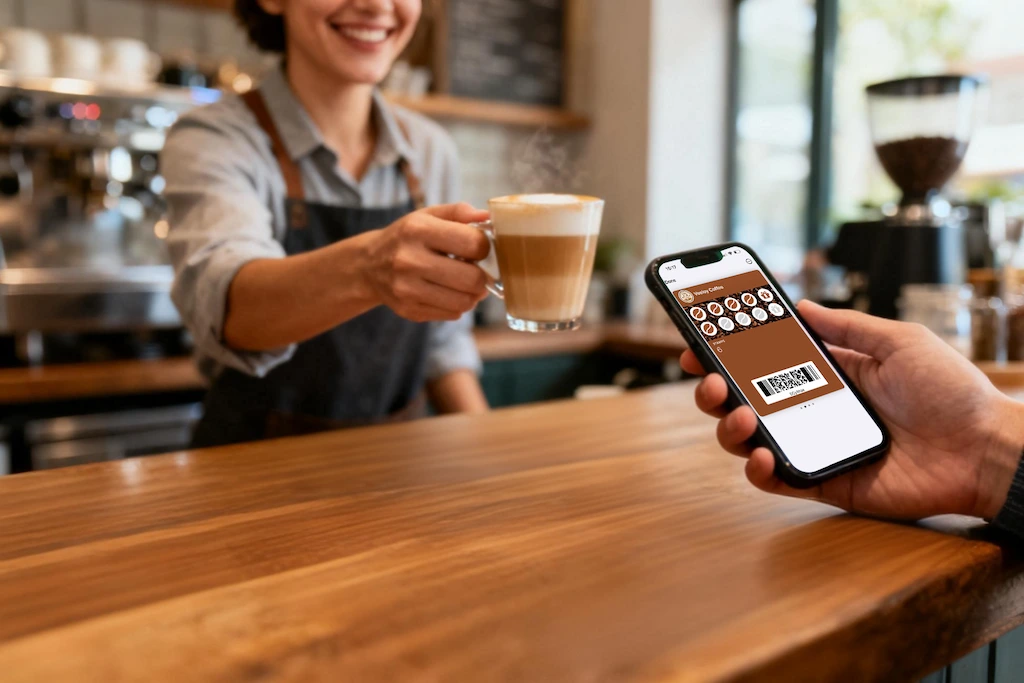
Why Every Small Business Needs a Digital Loyalty Card Program
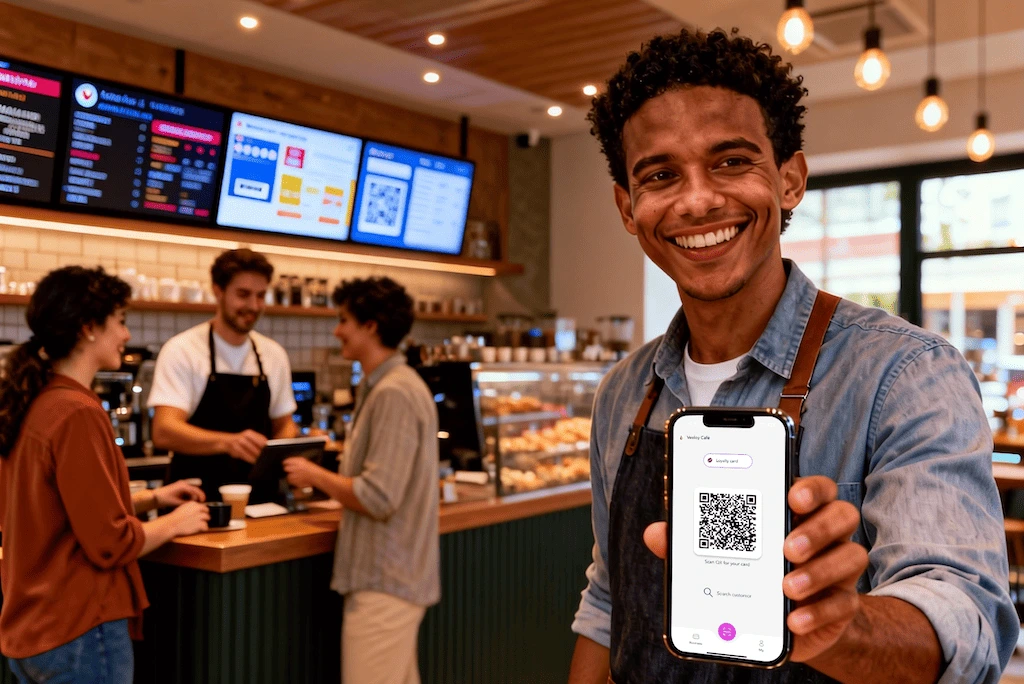
How QR Code Loyalty Cards Work (No App Required)
Beyond the Points: Designing Loyalty Programs that Drive Emotional Engagement
The Silent Shift: How Digital Loyalty is Becoming the Operating System for Main Street Everywhere

A 2025 Data Analysis: Are Local Businesses Winning the Loyalty War Against Big Chains?
The Psychology Behind Scratch Cards: Why Customers Love Them

Boosting Salon Loyalty: How Digital Stamp Cards Increase Booking Frequency