
- VeeCard
- Price
- Blog
- F&Q
The Silent Shift: How Digital Loyalty is Becoming the Operating System for Main Street Everywhere
Forget the plastic punch card collecting dust at the bottom of a drawer. Across the world—from a coffee roaster in Brooklyn to a bookshop in Bristol to a boutique in Brisbane—a quiet but profound revolution is underway. Small and medium-sized businesses (SMBs) are undergoing a critical digital transformation, and at its heart is an unexpected tool: the digital loyalty program.
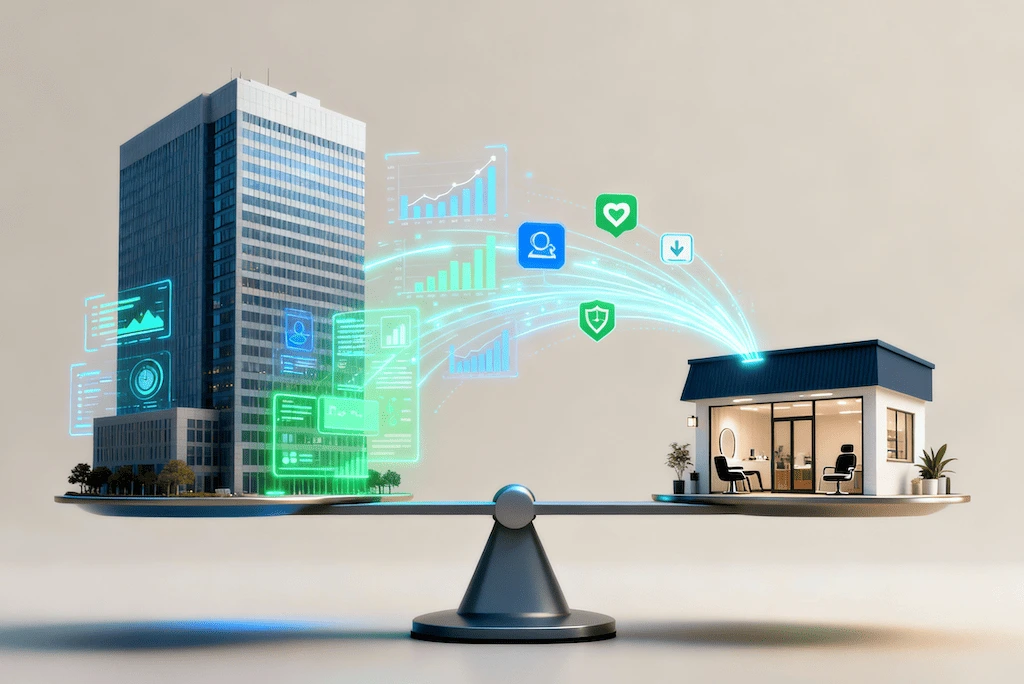
No longer just a marketing tactic to encourage a tenth coffee for a free one, a new generation of affordable, sophisticated digital loyalty platform software is evolving into something far more strategic. It is becoming the central nervous system for local commerce—the core operating system that manages customer relationships, drives decisions, and fuels growth. In a post-pandemic economy where customer loyalty is both fragile and invaluable, this shift isn't just innovative; it's essential for survival.
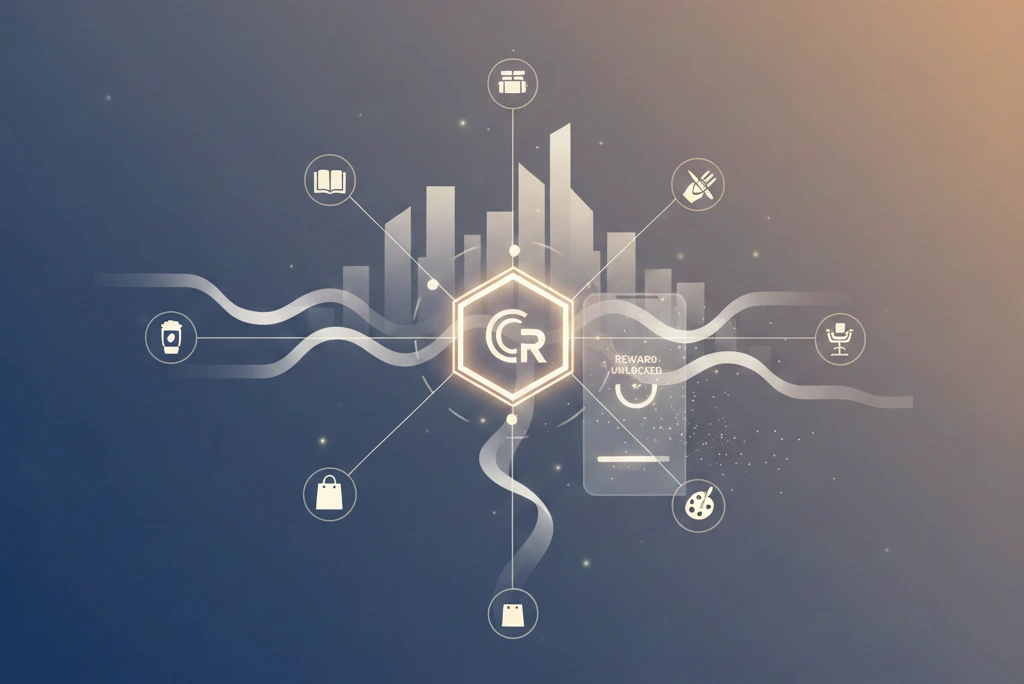
From Peripheral Marketing to Core Infrastructure
Historically, loyalty programs were siloed. A paper card tracked purchases at a single store, and the data, if any existed, never left the cash register. Today's cloud-based platforms break these silos wide open. They aggregate fragmented customer interactions—purchases, visit frequency, average basket size, product preferences—into a single, actionable dashboard.
This transformation means the loyalty program ceases to be a mere cost of doing business and becomes the primary engine of business intelligence. For the local hardware store, it can identify which customers are avid DIYers and target them with offers on new tool lines. For the neighborhood restaurant, it can see which weekday is slowest and automatically send a "We miss you" offer to loyal patrons to fill tables. This is the kind of data-driven capability that was once the exclusive domain of retail giants with massive IT budgets.
The Central Hub: Customer Data as a Strategic Asset
In the modern economy, a business's most valuable asset isn't its inventory or its real estate; it's its direct relationship with its customers. Third-party platforms, delivery apps, and online marketplaces insert themselves into this relationship, often owning the customer data and charging steep fees for access. This leaves the actual business owner in the dark about who their customers are and what they want.
A modern digital loyalty card program flips this model. It is, in essence, a business's owned-and-operated Customer Relationship Management (CRM) system. When a customer joins to earn points or rewards, they are voluntarily building a direct, data-rich line of communication with the business. The business owner gains insights into lifetime value, purchase patterns, and churn risk. This isn't about selling data; it's about using it to build a better, more responsive business that serves its community more effectively.
Competing on Experience in an Impersonal World
The great challenge—and opportunity—for Main Street is competing with the convenience of Amazon and the budgets of big-box chains. They cannot win on price or inventory breadth. They must win on experience: the curated product selection, the expert advice, the sense of community, and the personalized service.
This is where the loyalty platform as an operating system shines. It empowers SMBs to automate personalization at scale.
- Smart Segmentation: Instead of blasting generic "20% off" emails to everyone, a florist can send a reminder about ordering anniversary bouquets only to customers who bought one last year.
- Churn Defense: The system can flag a previously weekly customer who hasn't visited in a month, prompting the owner to send a personalized check-in offer.
- Experience Rewards: Rewards can evolve beyond "free item" to "exclusive access"—an invitation to an after-hours shopping event or a first taste of a new menu item.
This ability to make every customer feel known and valued is the superpower of the local business, now supercharged by technology.
The New Imperative for Global Main Streets
The shift is global because the pressures are universal: rising costs, competitive saturation, and the need to do more with less. Implementing a robust system for loyalty cards for small business is no longer a "nice-to-have" for the tech-savvy few; it's a fundamental piece of infrastructure, as critical as a good point-of-sale system or a functional website.
It represents a move from intuition-based to insight-based management. Business decisions—what inventory to stock, what promotions to run, what hours to keep—can be informed by real data from the people who matter most: the loyal customers who form the business's economic foundation.
The silent shift is toward a future where every local business, regardless of its size or sector, can harness the tools of enterprise-grade customer intelligence. By centralizing their operations around the direct customer relationship, facilitated by a modern digital loyalty platform, SMBs everywhere are not just surviving the digital age—they are rediscovering how to thrive within it. They are proving that the heart of commerce isn't in a distant warehouse; it's in the data-informed connection between a business and its community, one digital interaction at a time.
More posts

Why Loyalty Programs Work Better Than Coupons

Customer Retention vs Customer Acquisition: Which Matters More?
Why Every Small Business Needs a Digital Loyalty Card Program
How QR Code Loyalty Cards Work (No App Required)

Beyond the Points: Designing Loyalty Programs that Drive Emotional Engagement
A 2025 Data Analysis: Are Local Businesses Winning the Loyalty War Against Big Chains?

The Psychology Behind Scratch Cards: Why Customers Love Them

Boosting Salon Loyalty: How Digital Stamp Cards Increase Booking Frequency